

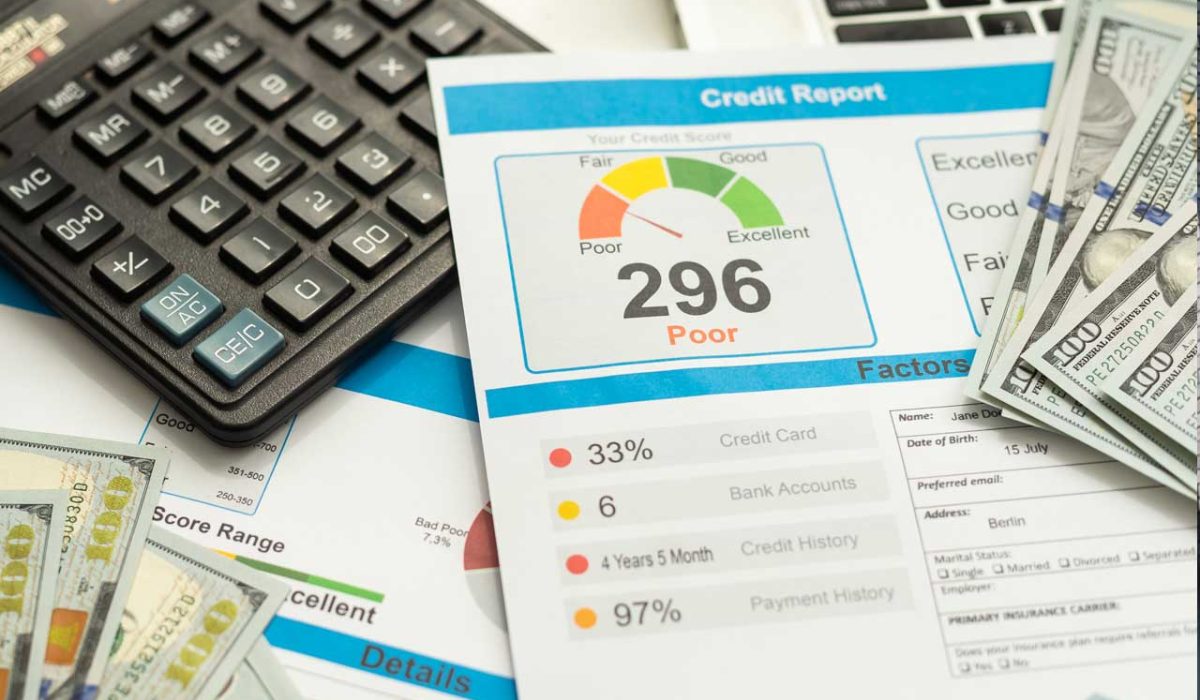
Credit scores Part 1: Improving your credit scores
Would you lend money to someone who you deemed irresponsible and lacking the ability to make repayments? The major lenders, like the banks and building societies, ask the same questions before releasing mortgages. Part of their process is to check your credit score/rating.
They will use this information to decide whether to, firstly lend you funds, secondly how much to lend and thirdly, the rate of interest and period of repayment.
Showing that you are capable and responsible, by having a good credit score, will much advance the possibilities of getting a mortgage.
How do I check my credit score? The 3 main CRA’s (Credit Reference Agency) in the UK are Experian, Equifax and TransUnion. Each will hold a credit report on you, although they might differ slightly. Your credit report will include the following information:- Details of all credit accounts (banks, credit cards, loan agreements, utility company debts, etc) and your repayment history.
- Financially linked people, with whom you may hold a joint credit facility.
- Public record information – County Court Judgments (CCJs), house repossessions, bankruptcies and Individual Voluntary Arrangements (IVAs). Each of these may stay on your credit record for at least 6 years.
- Your name, date of birth, current and previous addresses, details on the electoral role.
- Fraud convictions.